
Imagine the sun dipping below the horizon, painting the sky in hues of orange and purple, as the wilderness comes alive with a symphony of sounds. An after-dark wildlife experience offers a rare chance to discover the untamed beauty of nature under the cover of night, unveiling a world most travelers never get to see. In this guide, we’ll uncover what to expect on a nocturnal safari adventure, exploring the thrill of spotting elusive predators!
Embarking on a nocturnal safari is stepping into nature’s most intimate and mysterious hour. It’s a front-row seat to the theater of the wild, where survival, stealth, and spectacle take center stage. Are you ready to dive into this mesmerizing world where the night truly comes alive? Then read on!
WHAT TO EXPECT ON A NOCTURNAL SAFARI ADVENTURE
If you have ever been on a safari before, you would surely have experienced the wonders of sighting all sorts of wildlife. But you may not have had the chance to go on a thrilling night game drive. A night game drive is a whole experience on its own and completely different to a day safari. Below is what to expect!
1. The World Transforms after Sunset
As the daylight fades, the animal kingdom undergoes a dramatic shift. Creatures that lay low during the day, such as leopards, hyenas, and civets, begin to stir. You’ll feel the excitement as your guide switches on the safari vehicle’s spotlight, illuminating hidden trails and catching glimpses of glowing eyes reflecting back at you.
2. Hear the Calls of the Wild
The night amplifies every sound, making even the rustle of leaves feel electrifying. Listen closely for the deep growls of predators on the hunt, the haunting calls of nightjars, or the high-pitched chirps of insects. This natural orchestra sets the stage for an unforgettable adventure.
3. Witness Predators in Action
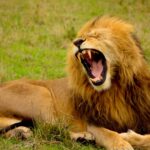
Nocturnal safaris often provide a front-row seat to the drama of the wild. Predators like lions and hyenas take advantage of the cover of darkness to hunt. Your guide may spot a lion stalking its prey or a hyena clan scavenging. These moments highlight the raw and unpredictable beauty of the wild.
4. Spot Rare Nocturnal Species
Night brings out elusive animals you’d rarely encounter during the day. Creatures like bush babies, aardvarks, and porcupines emerge from their hiding places. The thrill of spotting these shy inhabitants is unmatched and makes every safari unique.
5. Marvel at the Night Sky
Away from city lights, the stars shine brighter than ever. Some safari experiences include a moment to pause, gaze at the constellations, and hear stories of the cosmos. The Milky Way sprawls across the sky, adding a celestial layer to your adventure.
6. Feel the Thrill of the Unknown
Every sound and shadow keeps you on the edge of your seat. Will a leopard appear silently on the trail? Could an owl swoop low in search of prey? The unpredictability of the night makes every moment exhilarating.
If you’re dreaming of embarking on a magical nocturnal safari adventure, here are some key questions to guide your journey and ensure an unforgettable experience.
Qn. 1: Are nocturnal safaris dangerous?
Nocturnal safaris are safe when guided by experienced professionals, provided you follow instructions, stay inside the vehicle, and respect the wildlife.
Qn.2: What are the best Places for Nocturnal Safaris in Africa?
Africa boasts several incredible destinations for nocturnal safaris, each offering unique experiences:
- Masai Mara, Kenya: Witness predators like lions and leopards on the hunt in one of the world’s most iconic game reserves.
- Kruger National Park, South Africa: Guided night drives here offer a chance to spot elusive creatures like civets and genets.
- Serengeti National Park, Tanzania: Experience the drama of the African night against the backdrop of vast savannahs.
- South Luangwa National Park, Zambia: Renowned for its walking night safaris, it’s perfect for spotting leopards and owls.
- Okavango Delta, Botswana: Explore the waterways under moonlight for a chance to encounter hippos, crocodiles, and nocturnal birds.
- Queen Elizabeth, Uganda: Offers a high chance of spotting elusive nocturnal predators like leopards, hyenas, and smaller mammals such as civets and genets.
Qn.3: How to Photograph Wildlife at Night?
Capturing the magic of the night on a safari requires skill and preparation. Here are some tips to help you get the perfect shot:
- Use the right gear: A DSLR or mirrorless camera with a fast lens (f/2.8 or lower) works best for low light. A tripod or monopod can stabilize your camera for sharper images.
- Master your settings: Adjust to high ISO settings and a wide aperture to capture more light, but keep the shutter speed fast enough to avoid motion blur.
- Focus on the eyes: The glow of animal eyes in the spotlight adds an intense, captivating element to your photos.
- Respect the wildlife: Avoid using flash as it can disturb animals. Instead, rely on the natural light from spotlights used during the safari.
Qn.4: What to Do During Night Safaris?
Maximize your experience by immersing yourself in the unique rhythm of the night:
- Observe quietly: Wildlife is more alert and sensitive at night. Silence increases your chances of witnessing rare behaviors.
- Listen to your guide: Professional guides know where to look and how to spot elusive animals, making their expertise invaluable.
- Enjoy stargazing: With minimal light pollution, African skies become a breathtaking canvas of stars. Take a moment to pause and marvel at the Milky Way.
- Savor the atmosphere: Feel the thrill of being surrounded by darkness, where every sound—from the roar of a lion to the call of a nightjar—adds to the adventure.
Qn.5: What to Wear During Night Safaris?
Comfort and practicality are key when dressing for a nocturnal adventure. Here’s what to pack:
- Layered clothing: Even in warm climates, nights can get chilly. Wear lightweight layers you can adjust as needed.
- Neutral colors: Stick to earthy tones like khaki and olive to blend in with the surroundings.
- Closed-toe shoes: Protect your feet with sturdy, comfortable footwear suitable for uneven terrain.
- Insect repellent: Long-sleeved shirts and trousers, combined with insect repellent, help keep bugs at bay.
- Red-filtered flashlight: Handy for walking to and from your vehicle without disturbing the animals.
You can also checkout our African safari packing list-what to pack for an adventure
THE CONCLUSION
A nocturnal safari is more than just an adventure—it’s a journey into the unknown, where every rustle, shadow, and sound tells a story. From the thrill of spotting a predator on the prowl to the serenity of gazing at a star-filled sky, the magic of the African night will stay with you forever.
Are you ready to step into the wild after dark? The secrets of the night are calling—answer them by booking with us or contacting our team! Let us help you plan an unforgettable safari adventure to the African destination of your choice.