
Safari travel insurance is an important aspect of your trip that’s not to be ignored. After all, you’re headed to a faraway country to enjoy your time and create lasting memories – no reason to leave things up to chance and risk spoiling a perfect vacation.
In today’s article, we outline everything you need to know about picking the best travel insurance for an African safari!
Safari Travel Insurance: Why Do You Need It?
A safari trip is hardly on the level of everyday expenditure. With months of planning and hefty sums of money on the line, minimising the risks of accidents and injuries is paramount to ensure the trip stays memorable for the right reasons.
There are a number of reasons that warrant buying travel insurance for a safari, including:
- Health risks: Remote corners of the world often introduce us to germs and pathogens we are not used to back home, exposing us to exotic diseases that may require on-the-spot treatment. Also, the ongoing water crisis in Africa poses another potential risk that should not be discounted, as potable water may be limited during your stay.
- Terrorism: Many areas in Africa are considered developing regions, partly for their limited resources in ensuring uninterrupted peace and guaranteeing safety to visitors and residents. As such, terrorist groups are scattered throughout many regions, and possible attacks are a sad reality, but one that has to be dealt with nonetheless.
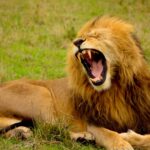
- Threat during the safari: The major allure of a safari is inextricably linked to the opportunity to spend time among wild animals. Don’t forget, however, that these creatures are as fearsome as they are incredible, and sometimes, primal, territorial instincts may kick in, creating unpredictable situations. It’s better to be prepared, especially when on a walking safari.
Things to Consider Before Buying Travel Insurance for a Safari
When it comes to insurance recommendations, check if the company you’re booking your trip with includes basic safety and practicality measures for safarigoers. For example, while airlifts are not included in the Home to Africa packages, we offer emergency transport to a nearby medical facility if needed. As such, look for packages offering medical evacuation in extreme emergencies, which will include helicopter airlifts to guarantee your safety.
Another item to look out for when picking a safari travel insurance package is trip cancellation and/or trip interruption. Plenty of things can go awry at a moment’s notice during a safari; that’s simply how it is. Should something terrible befall you and force you to cut your trip short, you’d likely lose a good chunk of your money spent on deposits and reservations. Considering the total cost of the trip, adding a little extra to prevent such a worst-case scenario is definitely a prudent investment.
What Is the Best Travel Insurance for an African Safari?
Having discussed the details, let’s now approach the decision-making process. How do you pick the best travel insurance for an African safari? In short, there are a few factors to consider:
- Overall cost/length of your trip: If you plan to travel to Africa only for a short visit, the risks associated with the trip decrease. Consider the ratio of the insurance cost relative to the entire stay, and weigh your options.
- Your general fitness level: People with chronic medical conditions need to take additional precautions when they are exposed to a new environment in Africa. If you’re generally fit and healthy, you’re unlikely to require an emergency airlift to get you lifesaving medicine in a hospital, for example.
- The destination: Some areas are more dangerous, others less so. We recommend reading about the region or resort online – national travel advisories are a wonderful resource to consult.
The Takeaway
A safari trip should be filled with incredible memories, and getting travel insurance for an African safari is one precaution you shouldn’t ignore. The bottom line for picking the appropriate package: better safe than sorry. Do your research ahead of time, learn the risks and dangers and assess what kind of insurance will best suit your needs.
You may also read: Best Safaris in South Africa!