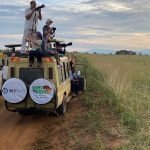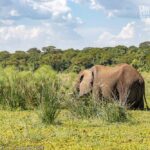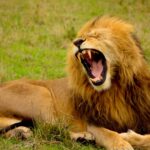

Kenya is one of Africa’s most celebrated safari destinations, home to diverse ecosystems, abundant wildlife, and breathtaking landscapes. While national parks are well known, wildlife reserves in Kenya offer equally spectacular experiences—often with fewer crowds and more flexible safari activities.
Wildlife Reserves to Visit in Kenya
In this guide, we explore the top wildlife reserves to visit in Kenya, highlighting what makes each destination unique and why they deserve a place on your safari itinerary.
1. Masai Mara National Reserve
The Masai Mara National Reserve is Kenya’s most famous wildlife reserve and one of the best safari destinations in Africa. It forms part of the greater Serengeti–Mara ecosystem and is globally renowned for the Great Wildebeest Migration, which takes place between July and October.
Visitors can expect exceptional game viewing year-round, including lions, cheetahs, leopards, elephants, buffaloes, giraffes, and vast herds of plains game. The open savannah landscapes make wildlife spotting easy, while the Mara River provides dramatic predator–prey encounters during migration season.
Best for: Big Five safaris, Great Migration, photography, luxury and budget safaris
2. Samburu National Reserve
Located in northern Kenya, Samburu National Reserve covers about 165 square kilometres, offering a distinctive safari experience shaped by its semi-arid environment. The Ewaso Ng’iro River is the lifeline of the reserve, attracting wildlife throughout the year.
Samburu is famous for the Samburu Special Five: Grevy’s zebra, reticulated giraffe, Somali ostrich, beisa oryx, and gerenuk. Predators such as lions, leopards, and cheetahs are also commonly seen, along with large elephant herds.
Best for: Rare wildlife species, cultural encounters, and unique landscapes
Best time to visit: June to October and January to March
3. Buffalo Springs National Reserve
Bordering Samburu National Reserve, Buffalo Springs National Reserve covers 131 square kilometers and is named after its natural water springs that creates lush vegetation in contrast to the surrounding dry terrain. These springs attract a wide variety of wildlife, making the reserve excellent for game viewing.
Wildlife sightings include: Elephants, lions, leopards, cheetahs, hippos, crocodiles, and numerous antelope species. The reserve is also a haven for birdwatchers, with over 450 recorded bird species.
Best for: Birdwatching, riverine wildlife, and combined Samburu safaris
4. Shaba National Reserve
Shaba National Reserve is a remote and scenic wilderness area characterized by volcanic landscapes, rocky outcrops, and wide-open plains. It offers a quieter; more exclusive safari experience compared to Kenya’s more popular reserves.
The reserve sits on a 239 square kilometre land area and supports elephants, lions, leopards, and diverse birdlife. Shaba is also historically significant as one of the filming locations for the conservation story “Born Free”, adding to its charm and legacy.
Best for: Off-the-beaten-path safaris, scenic photography, peaceful escapes
Best time to visit: June to October and January to March
5. Shimba Hills National Reserve
Situated near Kenya’s south coast, Shimba Hills National Reserve is a lush, forested reserve ideal for travelers combining a beach holiday with wildlife viewing. The reserve features rolling hills, dense coastal forests, and scenic waterfalls such as Sheldrick Falls.
Shimba Hills is best known for protecting one of the largest populations of sable antelope in Kenya. Other wildlife includes elephants, buffaloes, giraffes, and a rich variety of bird species.
Best for: Coastal safaris, nature walks, birdlife, and scenic landscapes
6. Lake Bogoria National Reserve
Located in Kenya’s Great Rift Valley, Lake Bogoria National Reserve is a spectacular destination known for its geothermal activity, including hot springs and geysers along the lakeshore.
The alkaline lake attracts large flocks of lesser flamingos, sometimes creating a striking pink shoreline. The surrounding reserve is home to antelopes, zebras, baboons, and diverse birdlife, making it a paradise for nature lovers and photographers.
Best for: Flamingos, geothermal features, and Rift Valley scenery
7. Mwea National Reserve
Mwea National Reserve is a lesser-known gem in central Kenya, offering uncrowded and authentic safari experiences. The reserve spans 42 square kilometres and consists of open savannah, riverine vegetation, River Tana, and wetlands that support a variety of wildlife.
Visitors can encounter elephants, buffaloes, hippos, crocodiles, giraffes, and several antelope species. Mwea is ideal for travelers seeking a quiet safari away from mass tourism.
Best for: Secluded safaris, wildlife diversity, and peaceful exploration
Why Visit Wildlife Reserves in Kenya?
Wildlife reserves in Kenya often allow more flexible safari experiences compared to national parks. Depending on the reserve, visitors may enjoy:
- Low-density tourism
- Community-led conservation
- Night game drives and walking safaris
- Cultural interactions with local communities
Wildlife Reserves to visit in Kenya: Final Thought
From the world-famous Masai Mara to hidden gems like Mwea and Shaba, Kenya’s wildlife reserves offer unforgettable safari experiences for every type of traveler.
For personalized itineraries, expert guidance, and seamless safari planning, contact us to help you explore the best wildlife reserves in Kenya and create memories that last a lifetime.