
Rwanda, known as the “Land of a Thousand Hills,” is home to a diversity of wildlife and flora. The country’s varied landscapes, from dense rainforests to expansive savannas, provide habitats for an incredible range of species. However, many of these organisms are facing serious threats due to habitat destruction, poaching, and climate change. Let’s explore the animals in Rwanda, both the dangerous and the endangered, as well as the rich tapestry of Rwanda plants that are crucial to the nation’s ecosystem.
Dangerous animals in Rwanda
While Rwanda’s wildlife is truly stunning, there are some animals that require caution. One of the most dangerous animals in Rwanda is the Nile crocodile, which prowls the country’s lakes and rivers, patiently waiting for the perfect moment to strike. The African buffalo, although herbivorous, is infamous for its unpredictable temperament and strength, making it one of the deadliest animals in Africa.
Another dangerous predator is the leopard, a quiet and skilled hunter that roams Rwanda’s forests. Though rarely seen, these big cats are strong and efficient hunters. The black mamba, one of the most venomous snakes in the world, also lives in Rwanda’s wild areas. With its speed and deadly venom, it’s best to admire this snake from a distance. While all these help keep the ecosystem in balance, they also remind us of the wild beauty of Rwanda’s animals and plants.
Rare and unique animals in Rwanda
Beyond the perilous, there are many unique animals in Rwanda that can be found nowhere else. The mountain gorilla, a symbol of Rwanda’s conservation success, thrives in the misty slopes of Volcanoes National Park. Once critically endangered and on the brink of extinction, their population has grown due to strong protection efforts.
The golden monkey, another primate exclusive to Rwanda’s high-altitude forests, is known for its vibrant fur and playful nature. The shoebill stork, with its large beak and prehistoric look, is another fascinating sight. Rwanda is a haven for wildlife lovers looking to encounter some of the world’s most unique animals.
The vanishing wilderness
Despite its rich biodiversity, many endangered animals in Rwanda are at risk. Habitat destruction is a major threat, with deforestation and agricultural expansion driving many species toward extinction. The eastern chimpanzee is especially vulnerable, as its population declines due to illegal hunting and loss of forest habitat.
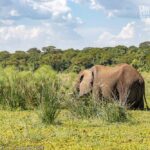
Another species in peril is the African elephant. Once abundant in Rwanda, these gentle giants have suffered from severe poaching in past decades. Conservation efforts in places like Akagera National Park have helped restore their numbers, but they still remain at risk.
The grey crowned crane, with its golden crest, is endangered due to habitat loss and the illegal pet trade. As you can see, protecting Rwanda’s wildlife is about more than saving species, it’s about preserving entire ecosystems.
Rwanda’s botanical treasures – native & endangered plants
The country’s biodiversity extends beyond animals; Rwanda plants play a crucial role in sustaining life too. Rwanda’s highland rainforests are home to native plants like the giant lobelia, which thrives in the volcanic mountains. The African mahogany, a tall tree prized for its timber, is another native species found in these forests.
Several plant species in Rwanda are also endangered. The orchid Aerangis verdickii faces habitat loss due to deforestation, while the Hagenia abyssinica, a medicinal tree known for its deworming properties, is also at risk. Efforts to protect these plants are just as important as wildlife conservation, as they provide food, medicine, and shelter for countless Rwanda animals and plants.
The takeaway
Rwanda has made great progress in conservation, with national parks and reserves playing a vital role in protecting Rwanda’s animals and plants. However, continued efforts are needed to ensure that future generations can enjoy the country’s natural beauty.
By valuing and protecting its native plants and animals, we help preserve an irreplaceable part of our planet. From the silverback gorilla to the delicate orchids in the rainforests, every living thing is part of Rwanda’s rich ecosystem. It’s up to us to ensure these treasures endure for years to come.
You may also like: 10 interesting facts about Rwanda.