
[vc_row columns=”1″][vc_column][vc_column_text]
Rwanda is a country of incredible natural beauty, rich culture, and welcoming people. From the breathtaking gorilla treks in Volcanoes National Park to the ancient canopy walks in Nyungwe Forest National Park, it’s a must-visit destination in East Africa.
But to ensure a smooth and safe journey, travelers must be aware of the country’s local laws, healthcare system, and regional security landscape, especially near the border with the Democratic Republic of Congo.
Always monitor local media, ensure your travel insurance includes medical facilities, and follow guidance from local authorities and the Rwandan government.
For an introduction to Rwanda’s top sights and cultural insights, explore Home To Africa’s Rwanda travel guide.

Key Travel Considerations:
Avoid travel near border crossings with the Democratic Republic of Congo due to instability.
Stay alert to possible activity by armed groups and cross-border incursions.
Obey all local laws; photographing government buildings and military sites is prohibited.
Carry a valid international driving permit and drive cautiously.
Watch for reckless driving and limited transport in remote areas.
Be cautious when using public transportation in other major towns.
Get a health insurance plan with full medical evacuation coverage.
Access to medical facilities may be limited outside Kigali.
Bring enough prescription medication and a basic first-aid kit.
Be aware of risks related to deadly disease outbreaks.
Research trusted medical services and healthcare providers before arrival.
Invest in travel insurance that covers medical treatment.
Guard against petty crime in markets, streets, and hotel rooms.
Avoid all contact with illegal drugs—penalties are severe.
Respect genocide memorial sites; learn more here.
Note your Rwanda postal address when booking or filling out forms.
Stay informed via local media in case of natural disasters or unrest.
Check flight and safety updates from the Rwanda Civil Aviation Authority.
Ensure you meet all country entry requirements.
Some areas may be restricted until further notice due to safety issues.
Don’t photograph military sites or enter unauthorized zones.
Use caution in areas with volatile security situations.
Keep personal belongings secure at all times.
In case of emergency, contact local authorities or your embassy.
For a full list of what to bring on your journey, see this African Safari Packing List. To explore safari options or cultural tours in Rwanda and beyond, browse Home To Africa Safaris or learn about Rwanda’s major tribes.
Planning to extend your trip to neighboring countries like Uganda or Tanzania? Read about Uganda travel safety and things to do in Tanzania.
Explore more:
👉 Rwanda Travel Section
👉 Safest Places to Visit in Africa
👉 About Home To Africa
With proper planning and awareness, your visit to Rwanda can be both safe and unforgettable.

Is Rwanda Safe to Travel in 2025?
Rwanda is widely considered one of the safest countries in Africa. The government has invested significantly in national security, and petty crime rates remain low, especially in tourist areas. Kigali, the capital, is clean, well-organised, and boasts one of the lowest crime rates on the continent.
Travel safety tips:
Avoid walking alone at night in unfamiliar areas.
Always keep copies of your passport and important documents.
Register your trip with your embassy if applicable.
Use reputable tour operators, especially for activities like gorilla trekking or volcano hiking.
The Rwandan police force is helpful and present throughout major towns and tourist hotspots. Emergency numbers to know:
Police: 112
Ambulance: 912
Fire brigade: 111
Visa and Entry Requirements for Rwanda in 2025
Rwanda’s visa policy is among the most traveller-friendly in Africa. Citizens of all countries can obtain a 30-day visa on arrival or apply for an e-visa before departure. Additionally, East African Tourist Visas are available, which allow travel between Rwanda, Kenya, and Uganda.
Requirements:
A valid passport with at least 6 months validity
Proof of return or onward travel
Visa fees (usually around USD 50, payable in cash or by card)
COVID-19 or health-related requirements may vary; always check the latest guidelines from the Rwanda Directorate General of Immigration and Emigration
E-visa portal: irembo.gov.rw

Health Advice and Vaccination Requirements
Before traveling to Rwanda in 2025, consult your healthcare provider about necessary vaccinations.
Recommended vaccinations:
Yellow Fever (required if arriving from a country with a risk of yellow fever transmission)
Typhoid
Hepatitis A and B
Tetanus
Rabies (recommended for long stays or rural visits)
Malaria Risk:
Rwanda is a malaria-endemic country. Travelers should:
Take antimalarial medication before, during, and after the trip.
Sleep under insecticide-treated mosquito nets.
Use DEET-based repellents.
Additionally, Rwanda’s healthcare system is well-equipped in urban areas, especially Kigali, but may be limited in rural regions. Travel insurance with medical evacuation is highly recommended.
Best Time to Visit Rwanda in 2025
Rwanda is a year-round travel destination, but your experience can vary significantly depending on the season. Whether you’re planning a gorilla trek in Volcanoes National Park, a canopy walk in Nyungwe Forest National Park, or cultural visits to genocide memorial sites, understanding Rwanda’s climate and travel patterns can help you make the most of your trip.
Best Time to Visit: June to September
This is Rwanda’s long dry season and the most popular time for tourists.
- Ideal for gorilla and chimpanzee trekking due to dry trails and clear views.
- The best time to explore national parks and spot wildlife.
- Pleasant weather with less rain and cooler temperatures.
- Accommodation prices and park permits may be higher due to peak demand.
- Book hotel rooms, safaris, and permits in advance.
Short Dry Season: Mid-December to February
Also, a good time to visit, especially if you prefer fewer crowds.
- Good visibility and less muddy trails for treks.
- Easier access to border crossings and rural areas.
- Wildlife viewing is still excellent.
Rainy Seasons to Consider:
- March to May (Long Rainy Season)
- Heavy rain can make roads difficult and trekking muddy.
- Fewer tourists, so discounts on accommodation and tours are possible.
- Some natural disasters, like landslides or floods, may occur in remote areas.
- October to mid-December (Short Rains)
- Less intense than the long rainy season, but still not ideal for trekking.
- Great for photographers due to lush landscapes.
Pro Tips for 2025 Travel:
- Always check up to date weather forecasts and road conditions.
- Secure a travel insurance policy covering natural disasters and delays.
- Pack accordingly — see this African Safari Packing List.
- For safaris and cultural trips, explore options with Home To Africa.
In summary, the best time to visit Rwanda in 2025 is from June to September, especially for outdoor adventures and wildlife experiences. However, if you’re seeking quieter travel and don’t mind occasional rain, December to February is also a great choice.
Top Places to Visit in Rwanda

1. Volcanoes National Park
A global highlight, Volcanoes National Park is home to the endangered mountain gorillas. With only a few hundred individuals left, a guided trek offers a life-changing wildlife encounter. Permits are required and cost around USD 1,500 per person.
2. Kigali
Rwanda’s capital is modern, green, and culturally rich. Don’t miss:
Kigali Genocide Memorial
Nyamirambo Women’s Centre
Kimironko Market
Trendy cafes and restaurants like Question Coffee and Meze Fresh
3. Nyungwe Forest National Park
This rainforest paradise is perfect for chimpanzee trekking, canopy walks, and exploring Rwanda’s biodiversity. Over 300 bird species and 75 mammal species inhabit the park.
4. Lake Kivu
A scenic lake along the border with the Democratic Republic of Congo, Lake Kivu is ideal for relaxation, water sports, and scenic boat rides. Towns like Gisenyi and Kibuye offer beach resorts and local culture.
5. Akagera National Park
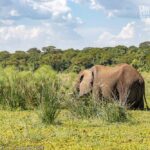
For a classic safari experience, Akagera offers the Big Five—lions, leopards, elephants, rhinos, and buffalo—as well as boat safaris and stunning savannah landscapes.
Cultural Etiquette and Local Customs
Rwandans are known for being warm, respectful, and welcoming. Visitors are expected to behave courteously and observe local traditions.
Key etiquette tips:
Greetings are important—a handshake or polite nod is common.
Dress modestly, especially in rural areas and religious sites.
Avoid discussing political issues, especially those relating to the genocide.
Photography of people or government buildings should only be done with permission.
Tipping is appreciated but not mandatory—5–10% is customary in restaurants and for tour guides.
Transportation in Rwanda
Getting Around:
Kigali International Airport (KGL) is the main entry point.
Buses and minibuses connect major cities affordably.
Car rentals with a driver are the most efficient way to explore national parks.
Motorbike taxis (moto-taxis) are common in cities, and cheap helmets are provided.
Rwanda’s roads are well-maintained, but driving is best left to experienced locals due to hilly terrain and occasional wildlife crossings.
Currency, Costs, and Connectivity In Rwanda
When planning your trip to Rwanda, it’s essential to understand the basics of money, travel costs, and staying connected. Rwanda is relatively affordable compared to many international destinations, and its growing digital infrastructure makes it easy to stay online.
Currency
The official currency is the Rwandan Franc (RWF).
U.S. dollars are accepted in some hotels and tour agencies, but local currency is needed for most purchases.
ATMs are widely available in cities like Kigali and other major towns.
Credit and debit cards are accepted in upscale hotels, restaurants, and supermarkets, but cash is preferred for small transactions.
Exchange currency at banks or official bureaus, not on the street.
Costs
Rwanda offers a range of options for different travel budgets:
Budget travel: $50–$100/day (basic lodging, public transport, street food).
Mid-range travel: $100–$300/day (comfortable hotels, guided tours, local dining).
Luxury travel: $300+/day (high-end lodges, private safaris, premium services).
Gorilla trekking permits cost $1,500 per person — book early as permits are limited.
Entry fees to Volcanoes National Park, Nyungwe Forest, and other parks vary; always check current rates.
Tipping is appreciated but not mandatory — 5–10% is standard at restaurants and for guides.
Connectivity
Rwanda is one of Africa’s most digitally connected countries.
4G LTE coverage is strong in Kigali and urban centres.
SIM cards are affordable and available from providers like MTN and Airtel — bring your passport to register.
Free or paid Wi-Fi is available in most hotels, cafes, and airports.
Roaming can be expensive — using a local SIM is recommended.
Download offline maps and essential apps before visiting remote national parks or border crossings.
Quick Tips:
Always have some cash in small denominations for tipping, taxis, or markets.
Secure your phone and valuables to avoid petty crime.
If relying on digital tools for navigation or health (like medical services or bookings), make sure your devices stay charged — bring a power bank.
For more practical travel insights and safari planning support, visit Home To Africa.
Travel Tips for Rwanda in 2025
Book your gorilla trekking permits well in advance—they are limited and in high demand.
Bring USD or Euros, which are easily exchangeable.
Always carry a power adapter (Type C and J plugs).
Learn a few words of Kinyarwanda—“Muraho” means hello.
Support sustainable tourism initiatives and local artisans.
Final Thoughts
Rwanda in 2025 is a model for sustainable tourism, offering unique wildlife experiences, rich cultural immersion, and safe, modern infrastructure. Whether you’re venturing into misty mountains or enjoying lakeside sunsets, the country provides an extraordinary adventure for every type of traveler.
Plan wisely, travel responsibly, and discover why Rwanda is one of Africa’s most inspiring destinations.
Rwanda Travel Advice 2025 – FAQ
Planning a trip to Rwanda in 2025? Here are the most frequently asked questions to help you prepare for a safe and unforgettable experience, from gorilla trekking to understanding local laws, border crossings, and healthcare services.
Do I need any vaccinations to enter Rwanda?
Yes. Yellow fever vaccination is mandatory if you’re travelling from a country with yellow fever risk. It’s also recommended to have up-to-date vaccinations for hepatitis A, typhoid, and tetanus. Always consult your healthcare provider before travel.
What should I do in case of a medical emergency?
Healthcare in Kigali is better than in other major towns, but serious conditions may require medical evacuation. Make sure you have travel insurance that includes medical treatment, evacuation, and access to healthcare providers. Carry any necessary prescription medication with you.
Can I drive in Rwanda with my license?
Yes, but you’ll need an International Driving Permit (IDP) along with your valid driver’s license. Be cautious of reckless driving, especially outside urban areas, and avoid driving after dark.
What are the entry requirements for Rwanda in 2025?
Visitors need a valid passport, a visa (which can be obtained online or on arrival for many nationalities), and proof of onward travel. Always check the country entry requirements in advance.
What currency is used in Rwanda, and are cards accepted?
The local currency is the Rwandan Franc (RWF). Credit cards are accepted in major establishments, but cash is essential for markets, local shops, and remote areas. ATMs are widely available in cities.
What should I pack for Rwanda?
Pack lightweight, breathable clothing, sturdy walking shoes, rain gear, and sun protection. For safaris and trekking, follow this detailed African safari packing list.
Will I have internet and mobile connectivity?
Yes. Rwanda has excellent mobile coverage and 4G LTE in most urban areas. Buy a local SIM card (passport required) for affordable data. Wi-Fi is available in most hotels and cafes.
Are there any laws or customs I should be aware of?
Yes. Respect local authorities and laws, and avoid photographing government buildings, military sites, or using illegal drugs. It’s illegal to carry plastic bags, and penalties for violations can be severe.
Should I book accommodation in advance?
Yes, especially during peak season (June–September) when hotel rooms near national parks fill up quickly. Use reputable booking platforms and confirm details before arrival.
Are genocide memorial sites safe to visit?
Yes, these sites are safe, well-maintained, and deeply meaningful. Respect the rules and dress modestly. Learn more about Rwanda’s history here.
[/vc_column_text][/vc_column][/vc_row]