
East Africa is a dream destination for safari enthusiasts, offering breathtaking landscapes, diverse wildlife, and unforgettable adventures. When planning a safari, one major challenge you’ll face is choosing to go on guided Vs self-drive safaris in East Africa. Both options have their unique advantages, and your choice will depend on your budget, experience, and the kind of adventure you seek.
Check out the safari comparison below to help you choose the best adventure for your trip!
GUIDED SAFARIS
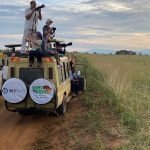
A guided safari provides a stress-free and immersive experience led by professional guides. These experts know the terrain, wildlife behavior, and the best times to visit certain areas. With a guided tour, you get insider knowledge, ensuring you don’t miss key sightings.
Advantages of a Guided Safari:
- Expert Wildlife Tracking – Guides use their experience to locate elusive animals like leopards and rhinos.
- Convenience – No need to worry about navigation, permits, or park regulations.
- Safety – Guides know how to handle encounters with wild animals, making it safer for travelers.
- Comfort – Many guided safaris offer luxury accommodations, including lodges and tented camps.
- Cultural Insights – You’ll get to interact with local communities and learn about their traditions.
Disadvantages of a Guided Safari:
- Higher Costs – Guided safaris can be expensive, especially in private reserves and luxury lodges.
- Less Flexibility – You must follow a set itinerary, which limits personal exploration.
- Group Travel – Unless you book a private safari, you may have to share the experience with other travelers.
- Less Privacy – With a guide present, you may have less personal space or alone time in nature.
Who Should Choose a Guided Safari?
If you prefer a relaxed and well-organized trip, a guided safari is the best option. It’s ideal for first-time visitors, families, and travelers who want a deeper understanding of the region’s wildlife and culture.
SELF-DRIVE SAFARIS
For the adventurous traveler, a self-drive safari offers unmatched flexibility and independence. You get to explore at your own pace, choose your routes, and spend as much time as you want at each sighting.
Advantages of a Self-Drive Safari:
- Freedom – You control your schedule and decide where to go.
- Budget-Friendly – Without a guide, the costs can be lower, especially for long trips.
- Personal Experience – Fewer restrictions allow for a more intimate and spontaneous journey.
- Sense of Adventure – Navigating wild terrain on your own adds to the thrill.
Disadvantages of a Self-Drive Safari:
- Navigation – Some parks have poorly marked roads, making it easy to get lost.
- Wildlife Safety – You need to understand animal behavior to avoid risky situations.
- Car Troubles – Breakdowns in remote areas can be challenging.
- Limited Local Knowledge – Without a guide, you might miss key wildlife sightings.
Who Should Choose a Self-Drive Safari?
Self-drive safaris suit experienced travelers who are comfortable driving in rough terrain and dealing with unexpected challenges. It’s perfect for independent explorers and those who enjoy planning their own adventures.
How to choose between a guided safari tour Vs self-drive safari
Key Factors to Help You Pick the Ultimate Adventure!
1. Your Safari Experience Level
- If you’re an experienced safari-goer or confident in your driving and navigation skills, a self-drive safari might be a thrilling adventure. However, if it’s your first safari or you’re not familiar with the Masai Mara’s terrain and wildlife, a guided safari is generally the safer and more rewarding choice.
2. Time and Budget
- Self-drive safaris can be more cost-effective, especially for longer trips. However, if you have a limited amount of time or a higher budget, a guided safari ensures you get the most out of your experience with expert assistance.
3. Wildlife Viewing Priorities
- If your primary goal is to see as much wildlife as possible, a guided safari is likely the better option. Guides know where to find the animals and can take you directly to key viewing spots. On a self-drive, you may miss out on these opportunities due to lack of knowledge.
4. Travel Companions
- If you’re traveling with friends or family and want a more intimate, private experience, a self-drive safari can offer that personal space. Conversely, if you’re traveling solo or prefer a more social environment, a guided safari with other travelers may be more enjoyable.
FAQs: Guided Safari Tours vs. Self-Drive Tours in East Africa
Below are some frequently asked questions about both options—covering costs, safety, wildlife sightings, and more.
1. Which option is better for first-time safari travelers?
- Guided safaris are ideal for first-timers. Guides help with wildlife spotting and ensure a smooth experience.
2. Where can I go on a self-drive safari in East Africa?
- Kenya: Amboseli National Park, Tsavo National Park, and Nairobi National Park are great self-drive options.
- Tanzania: Some parks, like Tarangire and Lake Manyara, allow self-drive safaris, but the Serengeti is best explored with a guide.
- Uganda: Self-driving is possible in Murchison Falls, Queen Elizabeth, and Kidepo Valley National
- Rwanda: Akagera National Park offers self-drive opportunities, but guided safaris are recommended for tracking gorillas in Volcanoes National Park.
3. Is a self-drive safari cheaper than a guided safari?
- Yes, in most cases. You only pay for the rental vehicle, park fees, and fuel.
- However, guided safaris include expert guides, accommodations, meals, and logistics, making them more convenient despite being more expensive.
4. Do I need a special vehicle for a self-drive safari?
- Most parks recommend a 4×4 vehicle for rough terrain, especially during the rainy season.
- Some reserves allow standard cars on well-maintained roads, but a high-clearance vehicle is always a safer choice.
5. Which safari option offers better wildlife sightings?
- Guided safaris tend to offer better wildlife sightings because guides know where to find animals and have radios to communicate with other guides.
- On a self-drive safari, spotting wildlife depends on your skills and luck, but you have the freedom to explore at your own pace.
6. Can I combine a self-drive safari with a guided tour?
- Yes! Some travelers opt for a mix of both—starting with a guided tour to learn the basics, then switching to self-drive for flexibility.
WHEN IS THE BEST TIME TO GO ON A SAFARI IN EAST AFRICA
The best time for a safari in Kenya, Tanzania, Uganda, and Rwanda depends on what you want to experience. However, the dry seasons generally offer the best wildlife viewing opportunities.
Best Overall Safari Season: June – October (Dry Season) and why is it so?
- Best for wildlife viewing – Animals gather around water sources, making them easier to spot.
- Perfect for the Great Migration – Witness the Wildebeest Migration in Kenya’s Masai Mara (July – October) and Tanzania’s Serengeti (June – July, September – October).
- Comfortable weather – Fewer mosquitoes and clear skies.
THE TAKEAWAY
Whichever option you choose, East Africa promises an unforgettable safari experience filled with stunning landscapes and incredible wildlife encounters. You can also checkout our East African safaris!