
When planning a safari, most travelers have heard of the Big 5 — but fewer people know about the Big 9. Understanding the difference between the Big 5 vs Big 9 can help you know what to look for on game drives, manage your expectations, and appreciate the full range of wildlife in East Africa. The Big 9 actually expands your safari experience beyond famous land animals to include some of the most fascinating primates and predators that make the wild truly incredible.
So, Who Are the Big 5?
Traditionally, the Big 5 are:
- Lion
- Leopard
- Elephant
- Buffalo
- Rhinoceros
These animals were not chosen because they are the biggest — but because they were considered the most difficult and dangerous to hunt on foot during the old safari hunting era.
Today, the meaning has changed. We don’t hunt them — we celebrate and protect them. They are now the iconic wildlife symbols of Africa and a highlight for many travelers.
Quick Personality Snapshot
| Animal | Why They’re Special | ||
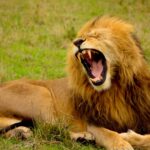
| Lion | Social, majestic, often seen resting in prides. | ||
| Leopard | Secretive and elegant, loves tree branches. | ||
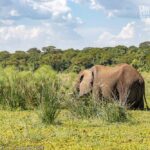
| Elephant | Gentle giants with strong family bonds. | ||
| Buffalo | Tough, powerful, always in herds. | ||
| Rhino | Endangered, calm but strong and deeply protected. | ||
Seeing all Big 5 in one trip is exciting — but that’s just the beginning.
Introducing the Big 9
The Big 9 adds four more important species, giving your safari deeper meaning and greater adventure:
- Giraffe
- Zebra
- Cheetah
- Hippopotamus
These animals are not only visually iconic, but they also shape the ecosystem in their own unique ways.
Why They Matter
| Animal | What Makes Them Stand Out |
| Giraffe | The tallest animal on earth — elegant and calming to watch. |
| Zebra | No two stripes are the same — they are nature’s walking art. |
| Cheetah | Fastest land animal — delicate, graceful, and shy. |
| Hippo | Spends most time in water — surprisingly powerful and territorial. |
The Big 9 gives travelers a fuller picture of Africa’s wildlife beauty — from slow grazers to silent hunters to river guardians.
Why the Big 9 Matters in Today’s Safaris
As travel becomes more meaningful, travelers want:
- More understanding, not just photos.
- More storytelling, not just checklists.
- More appreciation, not just trophy moments.
The Big 9 encourages slower, deeper safari travel. Instead of rushing to see only lions and elephants, travelers begin to notice:
- How animals interact
- How they survive in different landscapes
- How each species holds value in the ecosystem
This makes the safari feel more personal, emotional, and unforgettable.
Where to See the Big 9 in East Africa
You can spot most of the Big 9 in:
- Masai Mara, Kenya
- Serengeti, Tanzania
- Murchison Falls & Queen Elizabeth National Park, Uganda
- Akagera National Park, Rwanda
For gorilla or chimpanzee lovers, you can also extend your safari to Bwindi, Kibale, or Volcanoes National Park — though they are not counted in the Big 9, the experience adds rich depth to wildlife travel.
Tips for Spotting the Big 9 on Safari
| Tip | Why It Helps |
| Be patient | Wildlife doesn’t follow schedules. |
| Travel early morning & late afternoon | Best animal activity hours. |
| Go with an experienced local guide | They know tracks, calls, and behavior. |
| Use binoculars | Especially for leopards, cheetahs, and birdlife. |
Safari magic is not in rushing — it’s in watching the wild unfold naturally.
Final Thought
Understanding the Big 5 vs Big 9 helps you appreciate that a safari is not just about ticking names off a list — it’s about being present in nature and witnessing life as it truly is: wild, beautiful, and full of wonder.
If you take your time, trust your guide, and let the African bush tell its stories, every day becomes unforgettable.