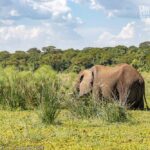

When it comes to African safaris, most travelers flock to well-known names like the Serengeti, Maasai Mara, or Bwindi. But East Africa holds much more than just its famous parks. Tucked away in remote corners and quiet valleys are breathtaking, less-explored destinations offering raw wildlife encounters, cultural depth, and serene landscapes.
In this post, we have uncovered six hidden safari gems of East Africa that promise adventure without the crowds. Whether you’re a seasoned safari-goer or a first-time explorer, these destinations will show you the wild in a whole new way.
Hidden Safari Gems of East Africa
If you’re looking for a more intimate, off-the-beaten-path experience, these hidden safari gems are exactly what you need.
1. Pian Upe Wildlife Reserve – Uganda’s Wild Secret
Located in the remote Karamoja region of northeastern Uganda, Pian Upe Wildlife Reserve offers raw wilderness and wildlife without the crowds. It’s one of the few places in Uganda where you can spot cheetahs, alongside giraffes, elands, and hyenas.
Activities to do:
- Game drives to spot cheetahs, giraffes, ostriches, and hyenas
- Birdwatching (over 240 species)
- Hiking and guided nature walks
- Visiting local Karamojong communities
Best time to visit:
December to March (dry season) for easier wildlife viewing and accessibility.
Why visit:
Pian Upe gives you the feel of a private safari adventure, with few visitors and unspoiled wilderness.
2. Rubondo Island National Park – Tanzania’s Hidden Island Safari
Located on Lake Victoria, Rubondo Island is a rare safari destination where water meets wildlife. This remote park is home to forest elephants, sitatungas, chimpanzees, and over 300 bird species.
Activities to do:
- Boat safaris to spot hippos, crocodiles, and shoreline birds
- Chimpanzee trekking with a research team (a unique conservation experience)
- Fishing excursions—Nile perch and tilapia are abundant
- Canoeing and nature hikes for close encounters with forest life
Best time to visit:
June to October (dry season) when trails are accessible and wildlife is easier to spot.
Why visit:
This island park is perfect for travelers seeking solitude, wildlife, and water-based adventure—all in one spot.
3. Kidepo Valley National Park – Uganda’s Remote Gem
Often described as Africa’s most picturesque park, Kidepo Valley lies far in the northeast of Uganda, bordering South Sudan and Kenya. It features vast golden plains dotted with buffalo herds, elephants, zebras, and even tree-climbing lions.
Activities to do:
- Game drives to spot lions, elephants, buffaloes, giraffes, and cheetahs
- Hiking around the Narus and Kidepo Valleys
- Cultural visits to the Ik and Karamojong tribes
- Birdwatching in one of Uganda’s top birding spots
Best time to visit:
September to March – dry season offers the best wildlife viewing and easier travel conditions.
Why visit:
Kidepo offers dramatic landscapes, incredible wildlife diversity, and a true sense of isolation—perfect for safari lovers seeking something wild and authentic.
4. Samburu National Reserve – Kenya
Far from the crowds of the Maasai Mara, Samburu offers a unique safari experience in Kenya’s arid northern region. It’s home to rare wildlife species not found elsewhere in the country.
Activities to do:
- Game drives to see the “Samburu Special Five”
- Cultural visits to Samburu villages
- Birdwatching along the Ewaso Ng’iro River
- Bush walks with local guides
Best time to visit:
June to October and January to March when wildlife gathers near water sources.
Why visit:
Samburu delivers rich culture, unique wildlife, and fewer tourists—ideal for those who crave offbeat safari experiences.
5. Loita Hills – Kenya
Often overshadowed by the nearby Maasai Mara, the Loita Hills offer a peaceful, culturally rich alternative for adventurous travelers. This highland area is sacred to the Maasai and full of hiking trails and wildlife.
Activities to do:
- Multi-day treks through forests and open hills
- Interacting with the Maasai community
- Birding and wildlife viewing
- Camping under the stars
Best time to visit:
January to March and June to October when the trails are dry and ideal for trekking.
Why visit:
Loita Hills provide a perfect mix of culture, nature, and solitude—an off-grid experience like no other.
6. Nyungwe Forest National Park – Rwanda
Nyungwe is a tropical rainforest teeming with life. Unlike the popular Volcanoes National Park, Nyungwe is less visited but offers thrilling primate encounters and immersive nature activities.
Activities to do:
- Chimpanzee tracking and monkey spotting
- Walking the canopy suspension bridge
- Hiking scenic forest trails
- Birdwatching (over 300 species)
Best time to visit:
June to September and December to February – drier months for easier hiking and chimpanzee tracking.
Why visit:
Nyungwe is a paradise for nature lovers, offering peaceful forest exploration away from the crowds.
Why Choose These Hidden Safari Gems?
Choosing a lesser-known East African safari destination offers:
- More space, fewer crowds
- Authentic cultural connections
- Unique wildlife sightings
- Unmatched tranquility and adventure
These are the kinds of trips that seasoned travelers remember for a lifetime.
Final Thoughts
Whether you’re canoeing on Rubondo Island, tracking chimpanzees in Rwanda, or watching lions roam Kidepo’s golden plains, these underrated East African safari destinations deliver unforgettable moments away from the usual routes.
By exploring them, you not only enrich your journey—you also help spread tourism benefits to communities and ecosystems that need it most.