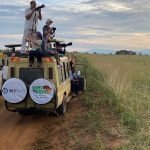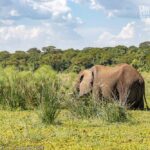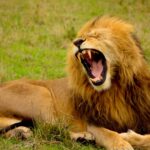

Tanzania is one of the countries in East Africa with unparalleled safari experiences in its numerous national parks, reserves, ancient traditions, bustling markets and historic sites. In this blog, we’re going to explore 15 best places to visit in Tanzania to help you plan a trip that will last a lifetime!
Tanzania: Places to See
Mount Kilimanjaro, Ngorongoro Conservation Area, or perhaps Zanizbar? Here are the best suggestions for places to visit in Tanzania that will treasure your heart!
1. SERENGETI NATIONAL PARK
In northern Tanzania, Serengeti National Park is an iconic symbol of Africa’s wildlife and natural beauty. Spanning over 14,750 square kilometers, this vast wilderness is renowned for its sweeping savannahs, teeming with an astonishing array of animals and breathtaking landscapes.
The Serengeti is best known for hosting the spectacular Great Wildebeest Migration, often referred to as one of the greatest wildlife spectacles on Earth. Each year, over a million wildebeest, along with hundreds of thousands of zebras and gazelles, embark on a circular journey in search of fresh grazing pastures.
Main activities
- Wildlife viewing
- Game drives
- Hot air balloon safaris
- Guided walking safaris
- bird watching
- Photography
- Cultural visits
Accommodations: Safari lodges, Tented camps, Mobile camps and lodges outside the park.
When to visit:
Dry Season (June to October):
- This is considered the best time for wildlife viewing as animals gather around water sources, making them easier to spot.
- The weather is dry and mild, with sunny days and cool nights, making it comfortable for safaris.
- The Great Wildebeest Migration typically moves through the western and northern parts of the Serengeti during this time, offering incredible opportunities to witness river crossings and predator-prey interactions.
Wet Season (November to December and March to May):
- November and December typically see short rains, while the long rains occur from March to May.
- The landscape becomes lush and green, and birdlife is abundant.
- However, road conditions may be challenging due to muddy tracks, and wildlife may be more dispersed.
2. MOUNT KILIMANJARO
Rising majestically from the African plains, Mount Kilimanjaro stands as a symbol of adventure, perseverance, and natural wonder. This iconic peak, located in Tanzania, is not only Africa’s tallest mountain but also the world’s highest freestanding mountain, making it an ideal place to visit for adventurers and nature lovers alike.
Mount Kilimanjaro offers a variety of routes to its summit, each presenting its own challenges and rewards. Whether you choose the popular Marangu Route, known as the “Coca-Cola Route” for its relative comfort and popularity, or opt for the more rugged and scenic Machame Route, every step of the journey is filled with a sense of excitement and anticipation.
Main Activities
- Trekking to the summit
- Hiking
- Wildlife viewing on the lower slopes
- Birdwatching
- Photography
- Cultural experiences.
Accommodations: Cottages, Lodges and Camps, Tented Camps, Mountain Huts and Luxury Tented Camps. All these range from Budget level to Luxury.
When to visit:
Dry Season (January to March, June to October):
- This period is considered the best time to climb Kilimanjaro, as the weather is typically drier and more stable.
- Clear skies and minimal precipitation make it better for visibility and more enjoyable trekking conditions.
- These months offer excellent opportunities for wildlife viewing and clear views of the surrounding landscapes.
Wet Season (April to May, November to December):
- The wet season sees more frequent rainfall, especially in the afternoons and evenings, which can make trekking conditions more challenging.
- The landscape becomes lush and green during the wet season, offering a different perspective of the mountain and surrounding areas.
3. NGORONGORO CONSERVATION AREA
Nestled in the heart of Tanzania’s northern circuit, Ngorongoro Conservation Area is a natural wonderland which makes it one of the best places to stay in Tanzania. Encompassing a vast expanse of over 8,000 square kilometers, this UNESCO World Heritage Site is a sanctuary for both wildlife and indigenous tribes, preserving a delicate balance between nature and culture.
At the center of the Ngorongoro Conservation Area lies the breathtaking Ngorongoro Crater, a vast volcanic caldera that is often referred to as the “Eighth Wonder of the World”. This natural amphitheater is home to an astonishing array of wildlife, including the Big Five – lions, elephants, buffaloes, leopards, and rhinos – as well as numerous other species such as zebras, wildebeests, hippos, and hyenas.
Main Activities
- Game drives
- Guided walks
- Bird watching
- Cultural experiences
Accommodations: Campsites and Bandas, Cottages, Hotels and Guesthouses. All these range from Budget level to Luxury.
When to visit:
Dry Season (June to October):
- This period is considered the best time to visit for wildlife viewing, as animals congregate around water sources, making them easier to spot.
- The weather is typically dry and mild, with clear skies and comfortable temperatures during the day.
- It’s also a great time for birdwatching, as migratory birds are in the area.
Wet Season (November to December and March to May):
- The wet season sees more frequent rainfall, which can make wildlife viewing more challenging as animals disperse across the landscape.
- However, the lush greenery and fewer tourists make it an attractive time for photographers and those seeking a quieter experience more so with birding.
4. ZANZIBAR
Welcome to the mesmerizing island of Zanzibar, where azure waters meet pristine white sands and rich cultural tapestry unfolds at every turn. Nestled off the coast of Tanzania in East Africa, Zanzibar is a jewel in the Indian Ocean, beckoning travelers with its exotic allure and unparalleled beauty.
Activities carried out in Zanzibar makes it one of the best places to visit in Tanzania. Let’s go!
- Beach Relaxation
- Snorkeling and Diving
- Historical and Cultural Tours
- Spice Tours
- Sailing and Boat Trips
- Cultural Experiences
- Nature and Wildlife Tours
- Water Sports
- Island Hopping
Accommodations: Campsites and Bandas, Cottages, Hotels and Guesthouses. All these range from Budget level to Luxury.
When to visit: Zanzibar, with its tropical climate and breathtaking beauty, is a destination considered to be one of the best places to visit in Tanzania. However, the best time to visit depends on your preferences and what activities you wish to engage in.
Dry Season (June to October):
- The weather is dry and cool.
- It’s an excellent time for outdoor activities such as diving, snorkeling, and exploring the historical sites without worrying about rain.
- The clear skies and calm seas make it ideal for water sports enthusiasts.
- Cultural festivals such as the Zanzibar International Film Festival (July) or the Mwaka Kogwa Festival (July), offering insights into local traditions and customs.
Wet Season (January to February):
- This period experiences short rains, but they typically don’t last all day.
- While it might not be the best time for beach activities, it’s a fantastic time for birdwatching and lush green landscapes.
5. TARANGIRE NATIONAL PARK
In the heart of Tanzania, where the Great Rift Valley stretches its ancient arms, lies a sanctuary of natural wonder: Tarangire National Park. Here, the rhythm of life pulses in harmony with the untamed wilderness, offering a glimpse into a world untouched by time.
This park is not only an elephant paradise but also a haven for a diverse array of wildlife. Lions, leopards, wildebeests, hyenas, bush babies and cheetahs roam the plains in search of prey, while giraffes elegantly stride through the acacia-dotted landscape. Keep your binoculars handy for a chance to spot elusive creatures like the tree-climbing lions or the rare Kori bustard, the heaviest flying bird in Africa.
For bird enthusiasts, Tarangire is the place to visit. With over 550 species recorded within its borders, including vibrant rollers, graceful hornbills, and majestic eagles, it’s a birdwatcher’s dream come true.
Main Activities
- Game Drives
- Walking Safaris
- Bird Watching
- Night Game Drives
- Cultural Visits
- Photography Safaris
- Picnics and sundowners.
Accommodations: Campsites and Bandas, Cottages, Hotels and Guesthouses. All these range from Budget level to Luxury
When to visit:
Dry Season (June to October): This period, particularly from July to September, is considered the best time to visit Tarangire.
- The weather is dry and cooler, with sunny days and clear skies, making it ideal for wildlife viewing and photography.
- Vegetation is sparse, and animals congregate around water sources, providing excellent opportunities for game viewing, especially around the Tarangire River.
- Wildlife sightings are abundant, including large herds of elephants, zebras, wildebeests, giraffes, and predators such as lions and leopards.
Wet Season (November to December, March to May): This transitional period sees the start of the short rains.
- The landscape begins to turn green, and birdlife increases, making it a fantastic time for birdwatching.
- While wildlife is still abundant, some animals disperse as water becomes more available throughout the park.
6. LAKE MANYARA NATIONAL PARK
Lake Manyara National Park is a captivating gem nestled in northern Tanzania, near the town of “Mto wa Mbu”. Renowned for its breathtaking scenery, diverse ecosystems, and abundant wildlife, this park offers a unique safari experience unlike any other.
The centerpiece of Lake Manyara National Park is its namesake lake, a shimmering expanse of alkaline water that stretches along the base of the Great Rift Valley escarpment. The lake is a vital habitat for a variety of bird species, including pink flamingos, pelicans, and storks. Visitors can embark on boat safaris or simply enjoy the mesmerizing sight of flocks of birds congregating along the shore.
Beyond the lake, the park is characterized by a diverse landscape that encompasses lush groundwater forests, open grasslands, and acacia woodlands. This diversity of habitats supports a rich array of wildlife, including elephants, giraffes, zebras, and wildebeests. Lake Manyara is particularly famous for its tree-climbing lions, and these lions can often be spotted lounging in the branches of acacia trees, providing a unique and memorable sight for visitors.
Other activities: Game Drives, Guided walking Safaris, Photography, cultural excursions, Picnics and Sundowners and.
Accommodations: Campsites and Bandas, Cottages, Hotels and Guesthouses. All these range from Budget level to Luxury
When to visit:
Dry Season (June to October)
- Animals can easily be seen due to the thick vegetation.
- No rain; Lots of sun great for photography and fewer mosquitoes.
Wet Season (November to May)
- Bird watching is perfect during this season.
- Wildlife experience is still awesome and less traffic
7. NYERERE NATIONAL PARK
Nyerere National Park, formerly known as the Selous Game Reserve, is one of Africa’s largest and most pristine wilderness areas, located in southern Tanzania. Encompassing a staggering 50,000 square kilometers, it is a UNESCO World Heritage Site and is renowned for its remarkable biodiversity and undisturbed natural landscapes.
The park is named after Julius Nyerere, Tanzania’s founding father and first president, who was a prominent advocate for conservation and environmental protection. Renaming the reserve in his honor symbolizes Tanzania’s commitment to preserving its natural heritage.
Speaking of wildlife, Nyerere National Park is home to an incredible array of species, including large populations of elephants, buffaloes, hippos, and crocodiles. It is also renowned for predators, such as lions, leopards, and wild dogs. Additionally, the park is a haven for birdwatchers, with over 400 bird species recorded within its boundaries, including numerous waterfowl and migratory birds.
Main Activities
- Game Drives
- Walking Safaris
- Boat Safaris along Rufiji River
- Fly-camping adventures under the stars.
Accommodations: Campsites and Bandas, Cottages, Hotels and Guesthouses. All these range from Budget level to Luxury
When to visit:
Dry Season (June to October): This period is considered the best time to visit Nyerere National Park as rainfall is minimal, and the vegetation is sparse.
- Wildlife viewing is exceptional during this time as animals gather around water sources, such as the Rufiji River, making them easier to spot.
- With the grasses being shorter, it’s also easier to navigate through the park, enhancing the safari experience.
- The weather is generally cooler and more comfortable, making game drives and other activities more enjoyable.
Wet Season (November to May): The wet season in Nyerere National Park is characterized by regular rainfall, particularly from March to May.
- Although the landscape is lush and green during this time, the dense vegetation can make it more challenging to spot wildlife as they disperse across a wider area.
- Birdwatching is particularly rewarding during the wet season as migratory birds arrive in the park, adding to the diversity of species.
- The scenery is vibrant, with blooming flowers and rejuvenated landscapes, offering picturesque views and photographic opportunities.
8. MAFIA ISLAND
Mafia Island, situated off the coast of Tanzania in the Indian Ocean, is a hidden gem renowned for its unspoiled natural beauty, rich marine life, and laid-back atmosphere. It’s widely acknowledged as one of the best diving spots in the Tanzania islands. Here’s a glimpse into what makes Mafia Island one of the best places to visit in Tanzania;
- Pristine Beaches
- Marine Diversity
- Whale Sharks
- Rich History and Culture
- Eco-Tourism and Conservation
Main Activities
- Scuba Diving
- Snorkeling
- Fishing
- Swimming
- Beach Relaxation
- Cultural tours
- Marine safaris
- Boat Excursions
- Bird watching
- Island Hoping
- Kayaking
- Stand- up paddle boarding
- Whale shark safaris
When to visit:
Dry Season (June to October):
- This period generally offers the most favorable weather conditions on Mafia Island. Expect clear skies, minimal rainfall, and cooler temperatures.
- The dry season is ideal for activities such as snorkeling, diving, and beach lounging, as the waters are calm and visibility underwater is excellent.
- Wildlife encounters, including sightings of whale sharks (between October and March), are also more likely during this time, making it popular among nature enthusiasts.
Wet Season (January to February):
- The wet season on Mafia Island typically brings heavy rainfall and higher humidity levels.
- While the lush greenery and vibrant landscapes may appeal to some travelers, outdoor activities like snorkeling and diving can be affected by reduced visibility and rougher seas.
- However, the wet season can also be a rewarding time for birdwatchers, as migratory bird species flock to the island during this time.
9. OL DOINYO LENGAI
Ol Doinyo Lengai, located in Tanzania, is a unique volcanic mountain that holds significant cultural and geological importance. Known as the “Mountain of God” in the Maasai language, the mountain is an active stratovolcano and the only known volcano in the world that erupts natrocarbonatite lava, a rare type of lava rich in sodium and potassium carbonate minerals.
Why Ol Doinyo Lengai?
- Geological Significance
- Spiritual and Cultural Importance
- Climbing and Trekking
- Remote Wilderness
- Conservation Efforts
Main Activities: Trekking to the summit, Cultural Immersion, Photography and Sightseeing, Wildlife viewing, Conservation activities, Volcano watching and Interpretation.
Accommodations: Campsites and Bandas, Cottages, Hotels and Guesthouses. All these range from Budget level to Luxury
When to visit:
Dry Season (June to October):
- The dry season typically offers the most favorable weather conditions for trekking and outdoor activities. Expect clear skies, minimal rainfall, and cooler temperatures, especially during the mornings and evenings.
- With less precipitation, the trails are generally more manageable, and the terrain is less muddy, making it easier to navigate the ascent to the summit of Ol Doinyo Lengai.
- Wildlife sightings may be more abundant during the dry season as animals congregate around water sources, offering opportunities for wildlife viewing alongside your trekking experience.
Wet Season (January to February):
- The wet season typically brings heavy rainfall and higher humidity levels to the region. Trekking conditions may be challenging due to slippery trails and muddy terrain.
- Despite the weather challenges, visiting Ol Doinyo Lengai during the wet season offers a unique perspective, with the surrounding landscapes coming to life in vibrant shades of green.
- However, it’s essential to exercise caution during the wet season, as the risk of landslides and flash floods may increase in mountainous areas.
10. MATERUNI WATERFALLS
Materuni Waterfalls is a breathtaking natural wonder nestled in the lush foothills of Mount Kilimanjaro, near the village of Materuni in Tanzania. Tucked away amidst verdant forests and fertile farmland, this hidden gem offers visitors a serene escape into the heart of nature.
Why Materuni waterfalls?
- Natural Beauty
- Refreshing Swim
- Cultural Experience
- Hiking Adventure
- Peaceful Atmosphere
Main Activities: Hiking, Swimming, Nature Walks, Coffee Tour, Waterfall Viewing, Picnicking, Cultural Encounters and Photography.
Accommodations: Campsites and Bandas, Cottages, Hotels and Guesthouses. All these range from Budget level to Luxury.
When to visit:
Dry Season (June to October):
- Ideal for hiking, swimming, and outdoor activities.
- Clearer skies for better visibility and photography.
- Cooler temperatures compared to the hot and humid wet season.
Wet Season (November to May):
- Lush greenery and vibrant vegetation due to increased rainfall.
- Higher water flow at the waterfall, creating a more dramatic cascade.
- Warmer temperatures but with higher humidity.
- Possibility of occasional rain showers, so be prepared with rain gear.
11. MIKUMI NATIONAL PARK
In the southeastern part of the Tanzania is Mikumi National Park which is the fourth largest park in this country. It is situated in the Morogoro Region, approximately 283 kilometers (176 miles) west of the city of Dar es Salaam, Tanzania’s largest city and major port on the Indian Ocean. Mikumi National Park covers an area of about 3,230 square kilometers (1,250 square miles)
Here is what makes Mikumi one of the best places to visit in Tanzania;
- Abundant Wildlife
- Birdwatching
- Scenic Landscapes
- Accessibility
- Wildlife Migration
- Photographic Safaris
- Cultural Experiences
Accommodations: Campsites and Bandas, Cottages, Hotels and Guesthouses. All these range from Budget level to Luxury.
When to visit:
Dry Season (June to October):
- This period is generally considered the best time to visit Mikumi.
- The weather is dry and sunny, with little to no rainfall, making it ideal for wildlife viewing.
- Vegetation is less dense, which increases visibility, making it easier to spot animals.
- Wildlife congregates around water sources, offering excellent opportunities for sightings.
- Cooler temperatures compared to the hot and humid wet season.
Wet Season (November to May):
- The wet season brings regular rainfall to the region, transforming the landscape into lush greenery.
- November and December may still offer good wildlife viewing before the heavier rains arrive.
- The landscape is at its most vibrant during this time, with blooming flowers and lush vegetation.
- Birdwatching is excellent during the wet season, as migratory bird species arrive in the park.
- Some roads in the park may become impassable due to muddy conditions, limiting accessibility.
12. KIKULETWA HOT SPRINGS
Hidden away in the heart of Tanzania, amidst the rugged beauty of the northern safari circuit, lies a natural wonder waiting to be discovered: Kikuletwa Hotsprings also known as “Maji Moto/Chemka hot springs”. Tucked away from the bustling tourist trails, these enchanting hot springs offer a serene oasis of relaxation and rejuvenation, inviting travelers to immerse themselves in the healing waters and soak up the tranquility of the surrounding wilderness.
See what makes Kikuletwa one of the best places to visit in Tanzania!
- Natural Beauty
- Tranquil Atmosphere
- Warm Thermal Waters
- Adventure Opportunities
- Breathtaking Nature Walks
- Escape from the Ordinary
- Cultural Immersion
Main Activities: Swimming, Picnicking, Wildlife viewing, Photography, Nature walks, Cliff jumping, Cultural Experiences and relaxation.
Accommodations: Campsites and Bandas, Cottages, Hotels and Guesthouses. All these range from Budget level to Luxury
When to visit:
Dry Season (June to October):
- Ideal for swimming, picnicking, and outdoor activities.
- Clear skies and good visibility for photography.
- Lower chances of rainfall and comfortable temperatures.
Wet Season (January to February):
- The wet season brings heavier rainfall and higher humidity levels.
- While the thermal waters remain warm and inviting, outdoor activities may be limited due to the rain.
- However, the surrounding vegetation is at its most vibrant during this time, and the landscape is lush and teeming with life.
13. LAKE TANGANYIKA
Nestled in the heart of the African continent lies a treasure trove of natural wonder, Lake Tanganyika. Stretching over 670 kilometers in length and plunging to depths of over 1,470 meters, it’s not just Africa’s deepest lake, but also the second oldest and longest lake in the world.
Lake Tanganyika boasts an astonishing array of biodiversity, with over 350 species of fish found nowhere else on Earth and Its a home to a rich tapestry of flora and fauna, including chimpanzees, elephants, and a myriad of bird species. Exploring the surrounding landscapes, whether by foot or boat, offers a glimpse into a world where nature reigns supreme and adventure awaits around every corner.
Main Activities
- Swimming and Relaxation
- Snorkeling and Diving
- Boat Tours and Cruises
- Fishing Expeditions
- Wildlife Watching
- Cultural Encounters
- Hiking and Nature Walks
- Bird watching.
Accommodations: Campsites and Bandas, Cottages, Hotels and Guesthouses. All these range from Budget level to Luxury
When to visit:
Dry Season (June to October):
- This period generally offers the most favorable weather conditions with clear skies and minimal rainfall.
- It’s an excellent time for wildlife viewing and outdoor activities such as hiking, snorkeling, and diving.
- The dry season is also ideal for cultural experiences and visiting local villages as road conditions are usually better.
Wet Season (November to May):
- The wet season brings higher temperatures and increased humidity but also more rainfall, particularly from November to April.
- While the rain can make some activities like hiking and wildlife safaris more challenging, it also revitalizes the landscapes, resulting in lush greenery and vibrant vegetation.
- The wet season is a great time for birdwatching as migratory bird species flock to the region, and water-based activities like fishing can be particularly fruitful.
14. MAHALE MOUNTAINS NATIONAL PARK
Nature lovers that have visited Mahale Mountains National park describe it as one of the best places to visit in Tanzania for chimpanzee safaris. This park is situated along the shores of Lake Tanganyika renowned for its dense forests and crystal-clear waters.
With an estimated population of over 1,000 individuals, the park offers visitors a rare opportunity to witness these fascinating primates up close. Guided trekking expeditions lead visitors deep into the heart of the forest, where they can observe chimpanzee families going about their daily lives, from grooming and playing to foraging for food.
Main Activities
- Chimpanzee Trekking
- Birdwatching
- Hiking and Nature Walks
- Boat Safaris and Lake Activities
- Cultural Encounters
- Sunset Viewing
- Forest Camping and Stargazing.
Accommodations: Campsites and Bandas, Cottages, Hotels and Guesthouses. All these range from Budget level to Luxury
When to visit:
Dry Season (June to October):
- This period generally offers the most favorable weather conditions with clear skies and minimal rainfall.
- The dry season is ideal for chimpanzee trekking and hiking, as trails are less muddy and visibility is better for wildlife spotting.
- Cooler temperatures during the dry season make outdoor activities more comfortable, and the risk of malaria is typically lower.
Wet Season (November to May):
- The wet season brings higher temperatures and increased humidity but also more rainfall, particularly from November to April.
- While the rain can make hiking and trekking more challenging and trails may be slippery, it also rejuvenates the landscape, resulting in lush vegetation and vibrant wildlife.
- Birdwatching can be particularly rewarding during the wet season as migratory bird species flock to the area, and the park’s waterfalls are at their most spectacular.
15. OLDUVAI GORGE
Nestled in the heart of Tanzania’s Serengeti Plains lies a place of profound significance in the story of human evolution: Olduvai Gorge. Known as the “Cradle of Humankind”, this ancient ravine is a window into our distant past, offering a glimpse of the earliest traces of human existence on Earth.
Main Activities
- Guided Tours
- Archaeological Excursions
- Scenic Hikes and Nature Walks
- Birdwatching, Photography
- Cultural Experiences
- Sunset Viewing
- visit to museums and Interpretive centers.
Accommodations: Campsites and Bandas, Cottages, Hotels and Guesthouses. All these range from Budget level to Luxury.
When to visit:
Dry season (June to October)
- The weather is generally mild and dry, with clear skies and minimal rainfall, making it ideal for outdoor exploration and archaeological activities.
- The dry season also coincides with peak wildlife viewing in nearby national parks such as Serengeti and Ngorongoro, offering the opportunity to combine your visit to Olduvai Gorge with a safari experience.
- Photography is at its best.
Wet season (November to May)
- It’s a good time for birdwatching and enjoying the rejuvenation of the landscape.
Best Places to Stay in Tanzania – Conclusion
In this blog about the 15 best places to visit in Tanzania, every destination is a chapter in a story waiting to be written, an invitation to embark on a journey of discovery, wonder, and endless possibility.